
The research is clear — excessive screen time and social media use are affecting children's well-being and, in-turn, their in-school performance. DoCurious offers a solution that kids actually want to use.
Our challenges are grounded in positive psychology principles, designed to inspire children to explore the real world, engage with their surroundings, and build genuine connections. Kids love it because it's genuinely fun. Parents and grandparents love it because it's a research-backed approach that promotes healthier, happier children who do better in school and at home.

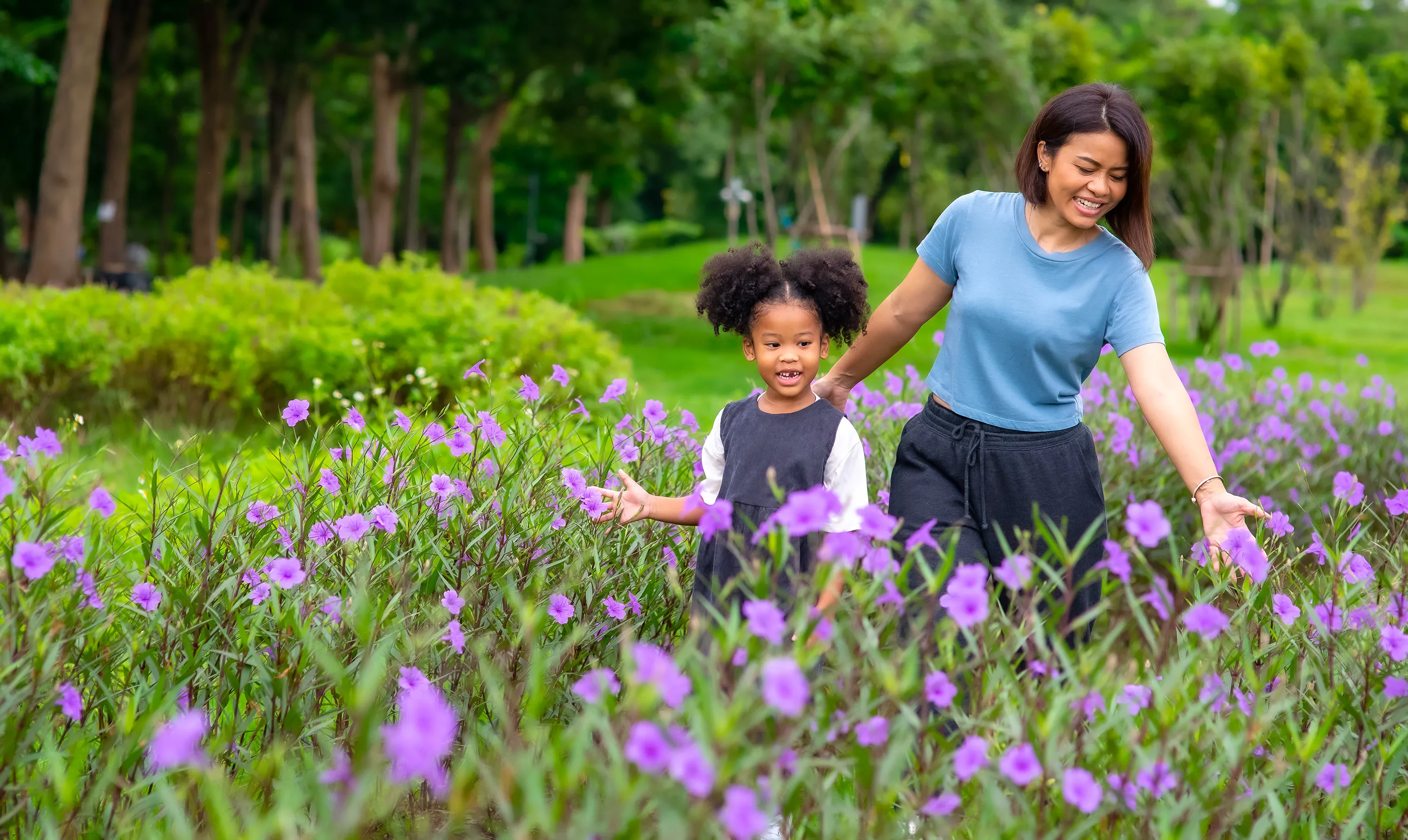
Our goal-oriented challenges give kids a real-world sense of accomplishment validated with the same things they love online — rewards, quests, new adventures — but in a human-centered environment. They have meaningful, safe experiences that build confidence, and inspire creativity. This sets them up for better academic performance now and sets them up to be healthy, thriving adults tomorrow.
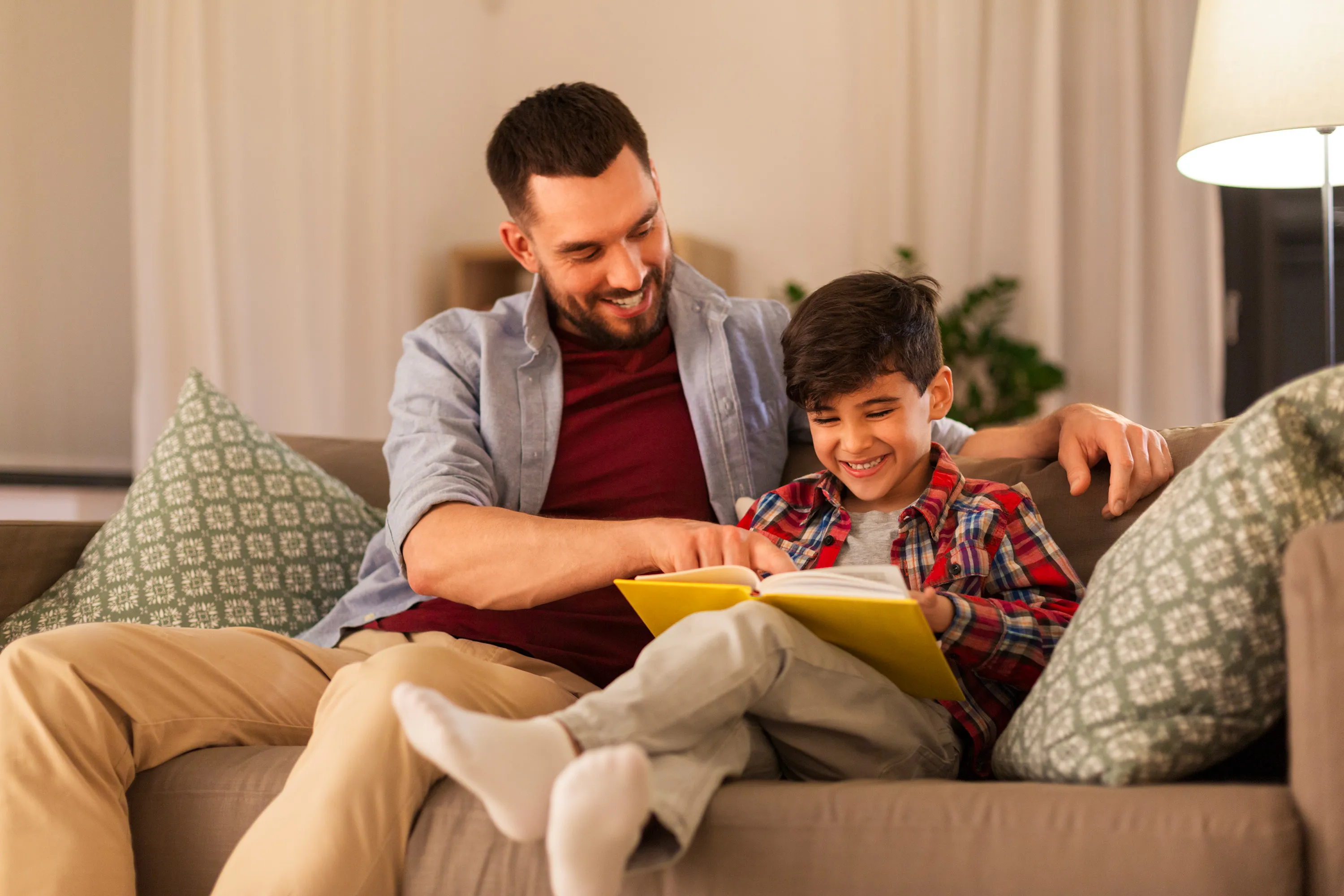
Kids love to chat online, but they — and you — can’t really know who they’re engaging with. That’s scary. DoCurious lets you create groups for family and friends so your kids can build healthy connections completing challenges in person with real friends in the real world.

We have challenges for every age, from toddlers to teens through adults. When your family signs up for DoCurious, you’re setting a healthier habit that you know will grow with your kids.

Research has shown us the dangers of too much screen time. It’s also given us some clues about how to get kids healthy and happy again, with better results in school and more engagement at home!
We’ve designed our goal-oriented challenges based on the tenets of positive psychology and self-determination theory so that they’re not just fun — they’re fortifying! Specifically, we focus on challenges that provide three key elements for human happiness — autonomy, competence, and relatedness.




.png)